
Tracing Loyalty Pathways Through Oversight Protocols in Digital Reel Entertainment
Data from multiple jurisdictions shows that loyalty programs in digital reel entertainment operate through structured pathways where player activity converts into points, tiers, and rewards while oversight protocols monitor every step for compliance and risk management, and researchers have documented how these systems integrate with player verification processes to maintain transparency across platforms.
Core Mechanics of Loyalty Tracking Systems
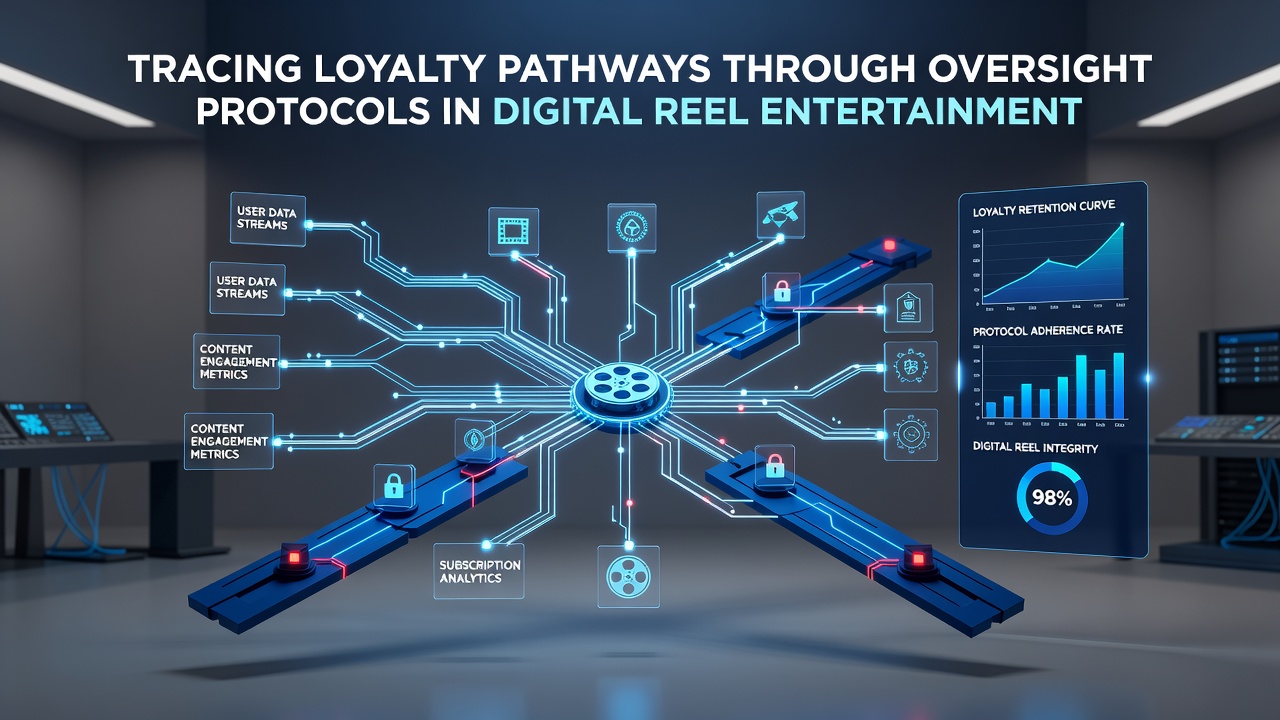
Loyalty pathways begin with account registration and continue through real-time data capture of spins, wagers, and session durations, after which algorithms calculate points based on predefined formulas that regulators require operators to disclose in full detail. Operators log every transaction into centralized databases that oversight bodies audit at scheduled intervals, and this process ensures that VIP escalations or bonus unlocks follow documented rules rather than arbitrary decisions. Studies from academic institutions have examined how these pathways create traceable sequences that link individual player behavior to reward outcomes, allowing auditors to verify that no unauthorized adjustments occur during the journey from basic play to high-tier status.
Integration of Oversight Protocols
Oversight protocols require operators to maintain immutable records of loyalty calculations, and these records undergo independent review by third-party firms that cross-reference raw gameplay data against final reward distributions. In practice, protocols mandate regular reporting on metrics such as point redemption rates and tier progression speeds, which helps identify anomalies that might indicate manipulation or exploitation. Those who have analyzed regulatory filings note that protocols often include mandatory testing of random number generators alongside loyalty algorithms, creating a dual layer of scrutiny that covers both game fairness and reward equity. Platforms must submit updated protocol documentation whenever they adjust loyalty structures, and regulators retain authority to suspend pathways that fail compliance checks.
Developments Observed in October 2026
By October 2026 several regulatory frameworks had introduced enhanced digital audit trails specifically for loyalty pathways, requiring operators to embed timestamped verification at each reward milestone. These updates built upon earlier standards and focused on cross-border data sharing among oversight agencies, allowing faster detection of patterns that span multiple jurisdictions. Figures from industry reports indicate that platforms adopting these enhanced protocols recorded measurable improvements in audit pass rates, while those lagging behind faced extended review periods before new loyalty tiers could launch.
Comparative Approaches Across Regions
Regulators in different regions apply distinct methods to trace loyalty pathways, and observers have noted that the National Council on Problem Gambling in the United States emphasizes harm minimization checkpoints within reward systems, whereas Australian oversight bodies prioritize transaction monitoring tied to loyalty redemptions. Canadian provincial authorities have implemented centralized player databases that feed directly into loyalty oversight modules, creating a unified view of activity across operators. Each approach shares the common requirement that all loyalty data remain accessible for independent verification, yet the technical implementation varies based on local legislation and existing infrastructure.
Industry organizations such as gaming trade associations publish periodic summaries that compile oversight findings from multiple territories, and these summaries reveal consistent themes around data integrity and player consent documentation. Experts have observed that successful pathways often feature clear opt-in mechanisms for loyalty participation, which oversight protocols verify through sample audits of player agreements and consent logs.
Conclusion
The combination of loyalty pathways and oversight protocols forms a structured framework that supports both player engagement and regulatory accountability in digital reel entertainment, and ongoing refinements continue to strengthen the traceability of rewards from initial play through final redemption. Data collected across regions demonstrates that well-documented protocols reduce discrepancies and support consistent application of rules, while operators maintain operational flexibility within defined boundaries. This balance allows the sector to evolve its reward structures while meeting established oversight expectations.