
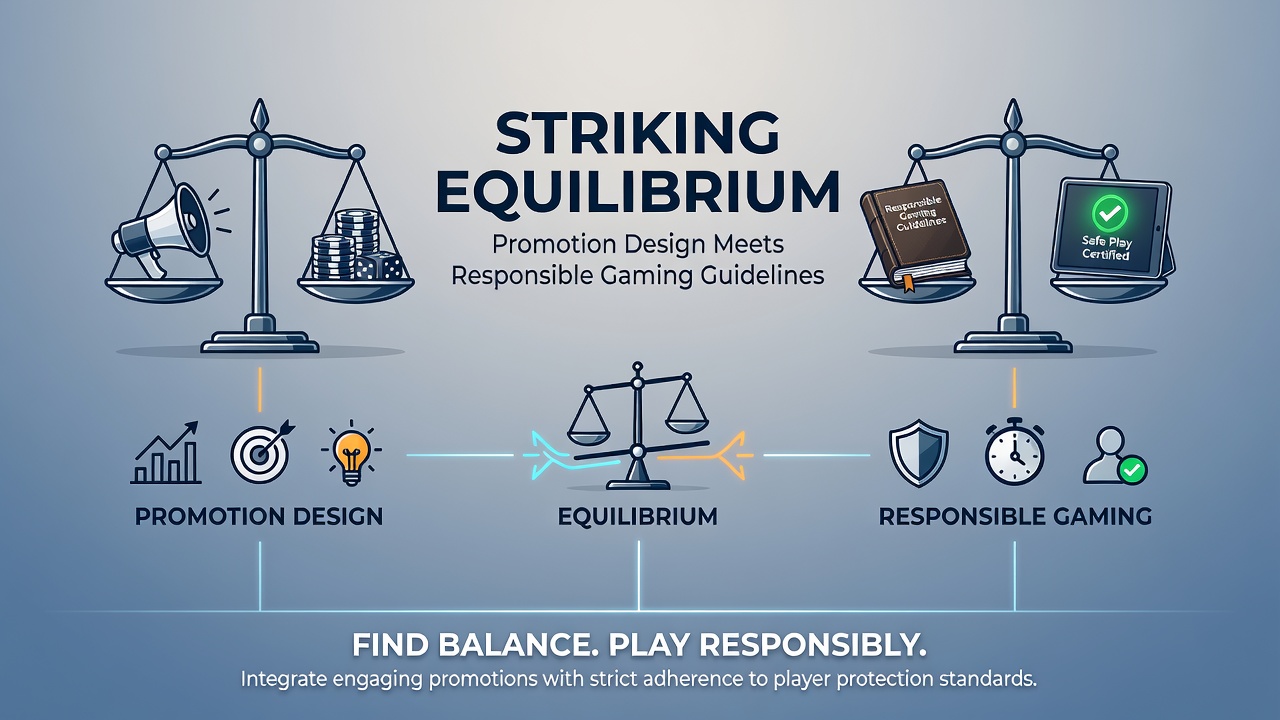
Striking Equilibrium: Promotion Design Meets Responsible Gaming Guidelines
Operators across multiple jurisdictions continue refining promotional structures to align with evolving responsible gaming standards, and data from regulatory bodies shows measurable shifts in how bonuses and incentives get deployed. In October 2026 several markets reported updated compliance frameworks that require promotions to incorporate spending caps, time limits, and direct links to player support tools. These adjustments reflect broader efforts to maintain commercial appeal while embedding safeguards that data indicates reduce excessive play patterns.
Core Elements of Promotion Design
Promotional campaigns typically feature free spins, deposit matches, and loyalty multipliers, yet designers now integrate mandatory responsible gaming prompts at key interaction points. Research from the National Council on Problem Gambling indicates that promotions containing explicit opt-out mechanisms and session reminders correlate with lower rates of extended play among tracked users. Designers achieve this balance by embedding these features directly into bonus activation flows rather than treating them as separate add-ons.
Payment and bonus structures also undergo scrutiny, with operators required to display total wagering requirements alongside clear statements on maximum win caps tied to promotional funds. Studies conducted in Canadian provinces demonstrate that transparent disclosure of these terms leads to higher player comprehension scores during controlled testing. Such practices help operators satisfy licensing conditions while preserving the excitement that drives engagement.
Integration of Responsible Gaming Standards
Responsible gaming guidelines from organizations such as Gambling Help Online in Australia emphasize that promotions must not target individuals who have self-excluded or set strict deposit limits. Systems now cross-reference player status before bonus eligibility activates, and operators report that these automated checks have reduced inadvertent offers reaching at-risk accounts. Data gathered across multiple platforms reveals that real-time verification processes operate with minimal latency, preserving seamless user experiences.
Training programs for marketing teams now include modules on behavioral indicators, and industry reports note that staff who complete these sessions design campaigns with fewer high-intensity triggers. In several European markets, regulators require annual audits of promotional content against harm-minimization criteria, and compliance rates have climbed steadily since 2024. These audits examine visual language, frequency of bonus communications, and the prominence of responsible gaming messaging within each campaign.
Regional Variations and Data Trends
North American operators navigate state-specific rules that dictate maximum bonus values and mandatory cooling-off periods after large wins from promotional play. Figures released by state gaming commissions show that jurisdictions with stricter promotion caps recorded steadier year-over-year revenue growth compared with those allowing unrestricted offers. European frameworks, meanwhile, focus on cross-border player data sharing to prevent circumvention of national self-exclusion lists during promotional campaigns.
Academic analyses published in peer-reviewed journals highlight that promotions incorporating reality-check pop-ups at 30-minute intervals produce measurable reductions in average session length without significant drops in overall participation. Operators who adopted these features early report sustained player retention rates, suggesting the equilibrium between incentive and protection can support both commercial and regulatory objectives.
Technical Implementation and Compliance Tools
Modern platforms employ API connections between promotional engines and responsible gaming databases, allowing instant flagging of restricted accounts. Developers document that these integrations require careful calibration to avoid false positives that frustrate legitimate players. Software vendors now offer modular solutions that let operators toggle features such as loss-limit notifications and personalized bonus pacing based on individual play histories.
Testing protocols include simulated player journeys that trace every promotional touchpoint, and third-party auditors verify that no pathway bypasses mandatory safeguards. Reports from independent testing labs indicate that platforms passing these simulations achieve faster regulatory approval cycles in multiple jurisdictions.
Conclusion
Promotion design continues evolving alongside responsible gaming requirements, with operators relying on integrated systems and transparent disclosures to meet both objectives. Data from regulatory and academic sources shows that carefully calibrated incentives can coexist with robust player protections when verification tools and clear communication form part of the core campaign architecture. As markets update their frameworks in late 2026, the emphasis remains on verifiable compliance rather than isolated promotional tactics.