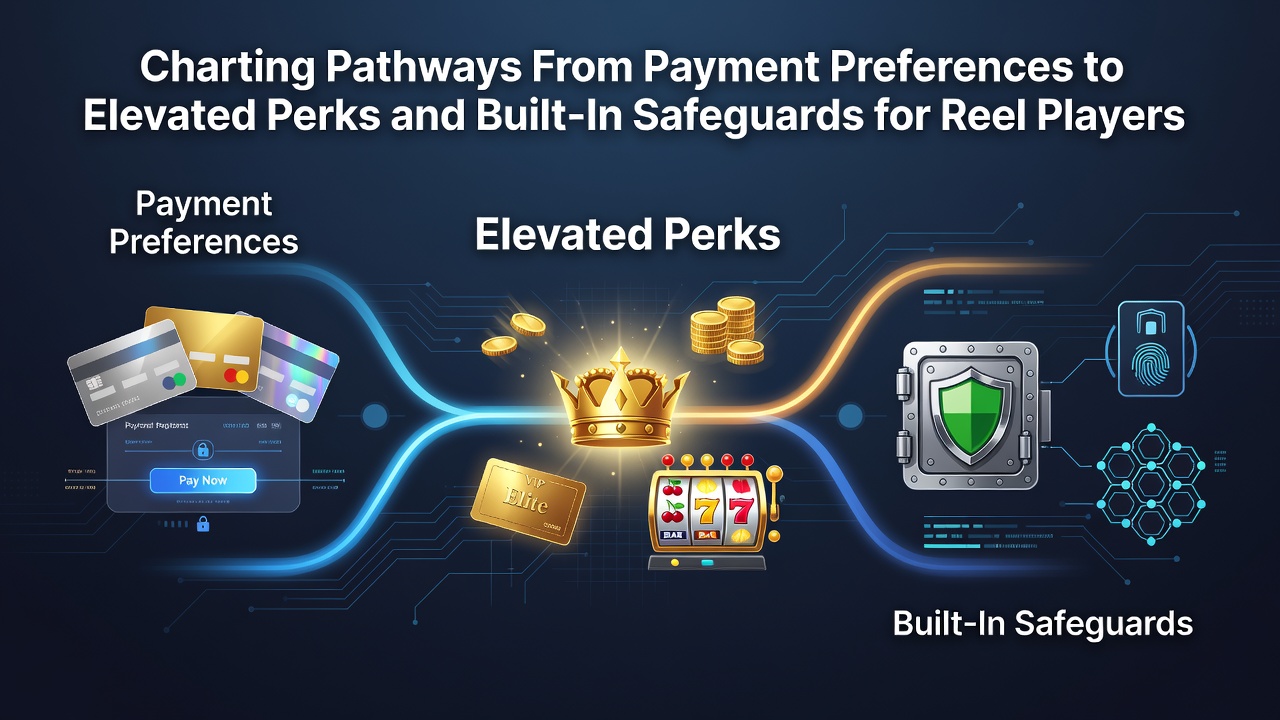
Charting Pathways From Payment Preferences to Elevated Perks and Built-In Safeguards for Reel Players
Payment preferences among reel players shape access to bonus structures, loyalty tiers, and security protocols in online slot environments, while data from various jurisdictions shows how these choices align with regulatory frameworks that emphasize player protections. Observers note that certain deposit options trigger instant eligibility for free spins or cashback offers, whereas slower methods might delay perk activation until verification clears. Studies from North American markets indicate that credit card and e-wallet users often reach VIP thresholds faster because platforms credit wagers in real time, which accelerates point accumulation toward elevated reward levels.
Payment Pathways and Perk Activation
Reel players who favor instant banking solutions frequently unlock layered bonuses that compound across multiple sessions, and this pattern holds across platforms operating under different licensing regimes. For instance, those opting for digital wallets gain immediate deposit matches that feed directly into free spin allocations, while bank transfer users wait for funds to settle before similar offers apply. Research from the American Gaming Association highlights how these timing differences influence overall engagement rates, with quicker funding methods correlating to higher retention in loyalty programs that escalate from basic cashback to exclusive jackpot entries adn personalized promotions.
September 2026 saw several operators introduce tiered reward escalators tied explicitly to payment velocity, allowing players to climb VIP ladders through consistent use of preferred channels that also embed fraud detection layers. Data shows that such integrations reduce chargeback incidents and simultaneously boost average session lengths because safeguards operate transparently in the background. Those who've examined platform architectures note that real-time verification systems built into popular e-wallets automatically flag unusual patterns without interrupting gameplay flow.
Security Layers Embedded in Funding Choices
Built-in safeguards extend beyond basic encryption when payment preferences incorporate multi-factor authentication protocols common in certain digital banking apps. Reel players using these methods encounter fewer account freezes because transaction monitoring aligns with responsible gambling tools that set automatic deposit limits and session reminders. Figures from Canadian provincial regulators reveal that accounts funded through verified bank links experience lower rates of self-exclusion breaches compared with those relying on less traceable options, since the linkage itself creates an audit trail that platforms can reference during compliance checks.
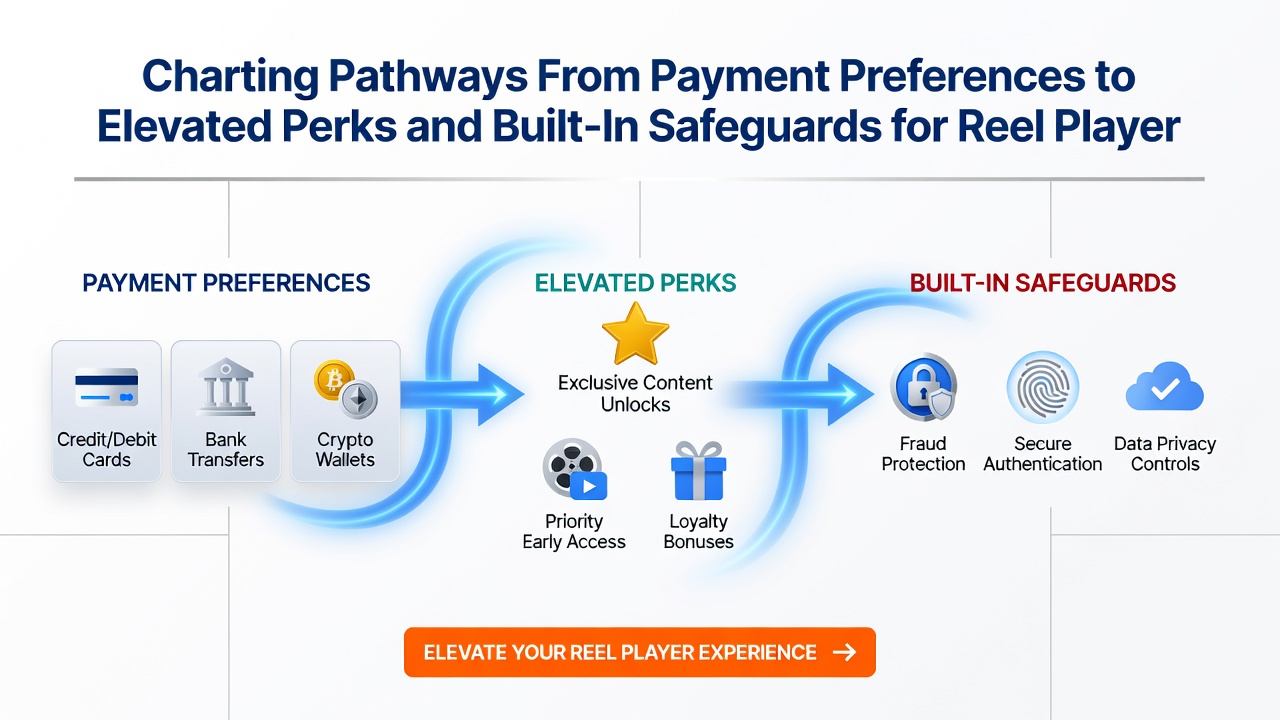
What's interesting is how these safeguards scale alongside perk elevation: as players progress toward higher VIP status through preferred payments, additional layers such as biometric login prompts and spending caps activate automatically. One industry report from the Australian Institute of Family Studies documents similar correlations in licensed markets, where payment-linked tools helped operators deliver targeted interventions without broad service disruptions. Reel players therefore navigate a system where funding choices determine both reward velocity and protection density.
Regional Variations in Perk and Safeguard Integration
European operators under Malta Gaming Authority oversight have standardized payment verification timelines that directly affect bonus release schedules, whereas U.S. state frameworks emphasize geofencing tied to banking credentials. This creates distinct pathways where players in one region might access surprise jackpot qualifiers after three verified deposits, while another jurisdiction prioritizes cumulative spend thresholds enforced through the same payment rails. Observers note that such regional tailoring keeps safeguards proportionate to local risk profiles yet maintains consistent perk structures that reward loyalty regardless of location.
Take the case of operators that partnered with academic researchers in 2025 to study payment behavior impacts on gambling intensity; findings indicated that transparent limit-setting features embedded in certain e-wallet flows reduced excessive play episodes by measurable margins. These insights prompted platforms to embed similar tools across all payment types by September 2026, ensuring that perk progression never outpaces protective measures. Reel players therefore experience smoother transitions from entry-level free spins to premium VIP events while safeguards adjust dynamically based on individual patterns.
Conclusion
Pathways from payment preferences to elevated perks and integrated safeguards continue to evolve as operators refine how funding methods interface with both reward systems and compliance requirements. Data across multiple regulated markets demonstrates that aligned payment and protection features support sustained player participation without compromising security standards. Reel players benefit when these elements operate in tandem, creating environments where bonus access and responsible play tools develop together rather than in isolation.